
Call : 0485800108 Email: contact@BerryBrush.com.au
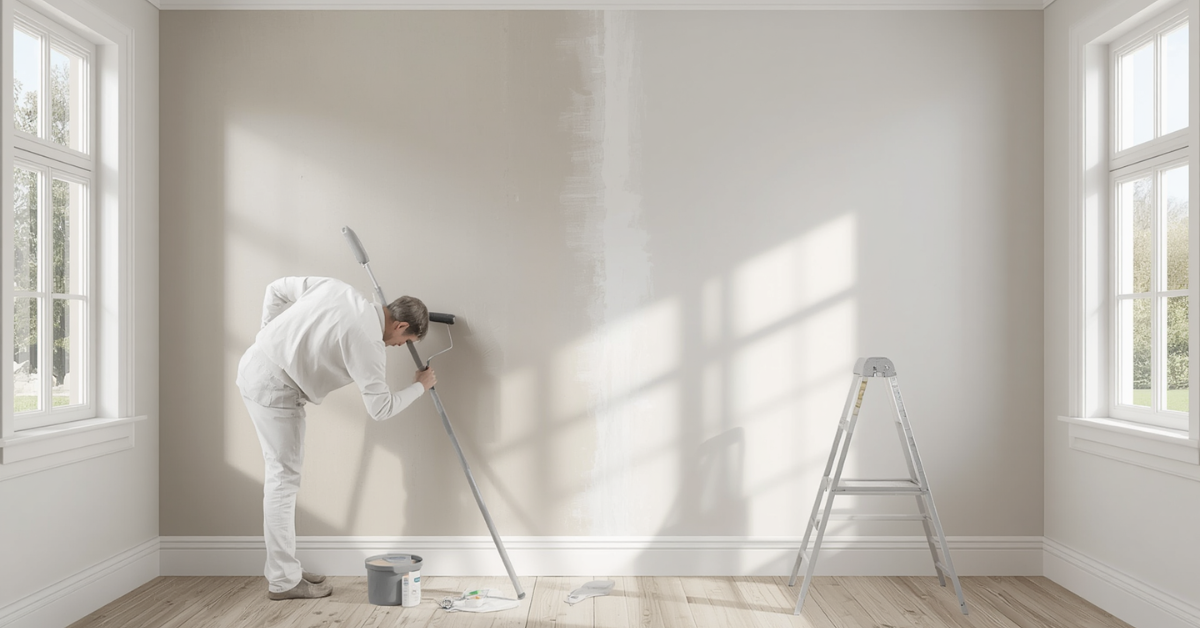

Most painting jobs in homes across Berry and the Shoalhaven are not on bare surfaces — they are on walls, trims, and weatherboards that have been painted before, sometimes many times. Painting over existing paint is straightforward when the existing coat is in good condition. When it is not, the approach changes significantly.
Is the Existing Paint in Good Condition?
Paint in good condition means: firmly adhered with no peeling, bubbling, or flaking; no significant cracks or surface defects that would show through a new coat; no active mould or moisture damage underneath. Painting over poor-condition surfaces without addressing the underlying issues is the most common reason repaint jobs fail early. Sources: Dulux Trade
Preparation Steps When the Existing Paint Is Sound
- Wash the surface — a sugar soap wash removes grease, dirt, and contaminants that prevent adhesion
- Sand lightly — a scuff sand with 120 to 180 grit creates a mechanical key for the new coat
- Fill any holes or cracks — use appropriate filler for the substrate, allow to dry fully, and sand smooth
- Spot prime filled areas — bare filler absorbs paint differently to sealed surfaces, causing patchy sheen if not primed
[ Screenshot: A smooth filled and primed surface ready for topcoat ]
Identifying Lead Paint Before You Start
For homes built before 1970 in the Shoalhaven, lead paint is a genuine consideration before any repainting or sanding work begins. Lead paint that is in good condition and not being disturbed can generally be painted over safely with appropriate encapsulating paint. Lead paint that is flaking or about to be disturbed by sanding needs specific handling procedures. Sources: NSW Environment Protection Authority
When You Are Changing Colour
Going from a dark colour to a light one is the situation where preparation matters most. A single coat of light paint over a dark surface will almost always show the underlying colour through patchy areas. The solution is either a quality tinted primer coat first, or accepting that two topcoats will be needed.
Painting Over Oil-Based Paint
Older homes in the Shoalhaven region may have oil-based paint on trims and skirting boards. Applying water-based acrylic directly over oil-based paint without preparation leads to adhesion failure. The correct approach is a light sand to break the gloss, followed by an oil-compatible primer or a quality adhesion primer before applying the acrylic topcoat.
The Challenge of Chalky Exterior Paint
Exterior paint that has chalked presents a specific challenge. If you apply new paint directly over a chalky surface, the new paint bonds to the chalk rather than to the substrate. When the chalk detaches, it takes the new paint with it. The correct approach is to pressure wash to remove as much chalk as possible, followed by a chalk-stabilising primer before topcoating.
What About Multiple Old Layers?
Surfaces with many layers of old paint, particularly chalky or flaking ones, can reach a point where removing old paint entirely is more practical than repainting over it. A professional assessment can determine whether preparation is sufficient or whether stripping back to bare surface is warranted.
Final Thoughts
Painting over existing paint is simple when the prep is done properly. The shortcuts that save 30 minutes upfront often cost hours of rework within two to three years.
Our residential painters team assesses surfaces carefully before quoting. For older homes, our guide on common painting problems in older NSW homes is worth reading first.