
Call : 0485800108 Email: contact@BerryBrush.com.au

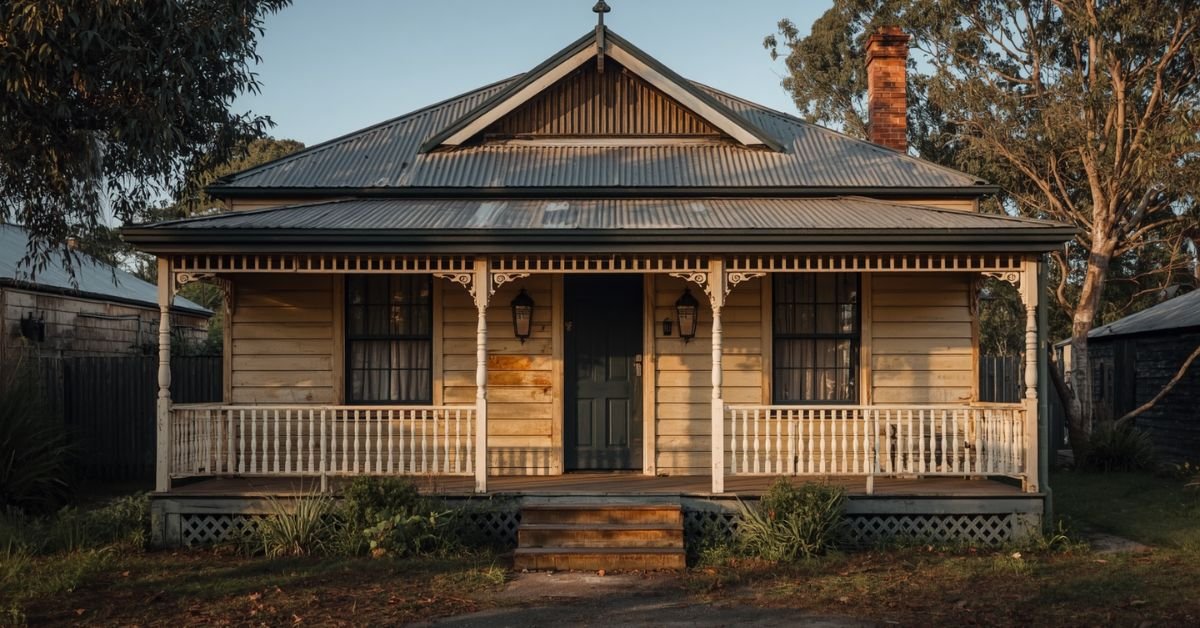

Older homes have character that newer builds can’t replicate. But they also come with a few headaches that newer homeowners aren’t always prepared for — especially when it comes to painting.
If you’ve got an older property in Berry, the Shoalhaven, or anywhere across regional NSW, there’s a good chance your next paint job will involve at least one of the issues below. Here’s what you’re likely dealing with, and how to handle it properly.
1. Lead Paint
Homes built before 1970 in Australia — and many built into the early 1980s — are likely to contain lead-based paint somewhere. It was the standard residential product before water-based paints took over.
Lead paint that’s in good condition, properly bonded to the surface, and not disturbed is generally not considered an immediate risk. The danger comes when it’s disturbed — sanding, scraping, dry cutting, and pressure washing can all create lead dust or debris that becomes a health hazard.
What to Do
Before any preparation work on an older South Coast home, the right move is to:
- Test for lead — inexpensive test swabs are available at hardware stores, or have a professional assessment done
- Don’t dry-sand any surfaces suspected of containing lead paint
- Wet methods and appropriate PPE should be used if lead paint is present
- Dispose of waste correctly — lead paint debris can’t go in the general bin
A qualified painter who knows how to work with lead paint will approach prep differently on older properties. It’s worth asking upfront whether they’ve worked in pre-1970s homes and how they handle it.
2. Flaking and Peeling Paint on Timber Surfaces
Older weatherboard homes and timber-framed properties — very common across Berry, Nowra, and the surrounding areas — often have layers upon layers of old paint built up over decades.
Eventually, all those layers don’t flex together. Moisture gets in, layers separate, and you get flaking and peeling — sometimes in large sheets.
What to Do
Painting over peeling paint without addressing the cause is the single most common mistake in older home repaints. The new paint will simply peel again, usually faster.
Proper fix:
- Identify the moisture source — is water getting in through window seals, fascia gaps, failing caulk?
- Strip back the affected area — scrape off all loose and flaking material, feather the edges with sanding
- Fill and repair using an appropriate flexible exterior filler (important for timber — rigid fillers crack with timber movement)
- Prime the bare and repaired areas before topcoat
- Address the moisture source before painting
In badly affected older homes, a full strip-back may be the only way to get a quality, lasting result.
3. Rising Damp and Efflorescence
Efflorescence — the white, chalky powdery deposit you see on rendered or brick walls — is a sign that moisture is moving through the wall and bringing mineral salts with it. It’s common on older homes, especially those with solid brick or traditional cement render.
Painting over efflorescence will fail. The moisture pressure behind the wall will push the new paint off within months.
What to Do
- Find and address the moisture source — this might be ground-level moisture, failed damp-proofing, or water ingress through garden beds against the wall
- Remove the efflorescence thoroughly — wire brushing and appropriate cleaning products
- Allow the wall to dry completely — this can take weeks in damp conditions
- Use a breathable primer or alkali-resistant primer before topcoat on masonry surfaces
Rising damp is a structural issue that needs addressing before painting. Painting over it doesn’t fix damp — it just hides it temporarily.
4. Mould and Mildew on Interior Walls
Mould is a real problem in older homes — particularly in rooms with poor ventilation, older bathroom and laundry fitouts, and homes that have been tenanted or closed up for extended periods.
In the Shoalhaven and Berry region, the humidity and rainfall patterns mean mould is a more common issue than in drier inland areas.
What to Do
Painting over mould without treating it first is a mistake. The mould grows back through the new paint, often within months.
- Identify the cause — is it condensation from poor ventilation? Moisture ingress from outside? A plumbing leak?
- Treat the mould before painting — appropriate fungicidal wash to kill spores
- Fix the source — improve ventilation, fix the leak, address the damp
- Prime with a mould-inhibiting primer before topcoat
- Use anti-mould paint in bathrooms, laundries, and any room where moisture is a factor
Anti-mould paint without fixing the source is still a temporary solution. The source has to go.
5. Chalking and Degraded Exterior Paint
On older homes with multiple paint generations, the outermost layers often show heavy chalking — a powdery residue that comes off on your hand when you touch the wall. It’s the result of UV breaking down old paint binders over many years.
Heavy chalking means the surface has lost most of its protective integrity. It also creates a poor base for new paint — paint applied over heavy chalking won’t bond properly.
What to Do
- High-pressure wash the entire surface to remove chalk and loose material
- Check what’s left — if the underlying paint is sound after washing, you may be able to prime and repaint over it
- If multiple loose layers remain, consider a more thorough strip-back before repainting
6. Tannin Bleed from Timber
In timber homes and homes with timber window frames or fascias, tannin bleed is a common frustration. It shows up as brownish, yellowy staining that bleeds through water-based topcoats — sometimes appearing even through primer coats.
It’s caused by natural resins and tannins in the timber migrating through the paint film.
What to Do
- Use a stain-blocking primer or shellac-based primer on timber before topcoat — these seal in the tannins
- Knotting solution on exposed timber knots before priming
- Don’t skip this step — a topcoat without a proper stain-blocking primer will stain, guaranteed
Working on an Older Home in the Shoalhaven?
Older homes require more knowledge, more preparation time, and the right product choices. This is an area where experience matters more than price.
At Berry Brush, we’ve worked on all types of older properties across Berry, the Shoalhaven, and the South Coast — from heritage weatherboards to older brick homes with complicated paint histories. We know what to look for, how to handle it, and how to get a result that lasts.