
Call : 0485800108 Email: contact@BerryBrush.com.au

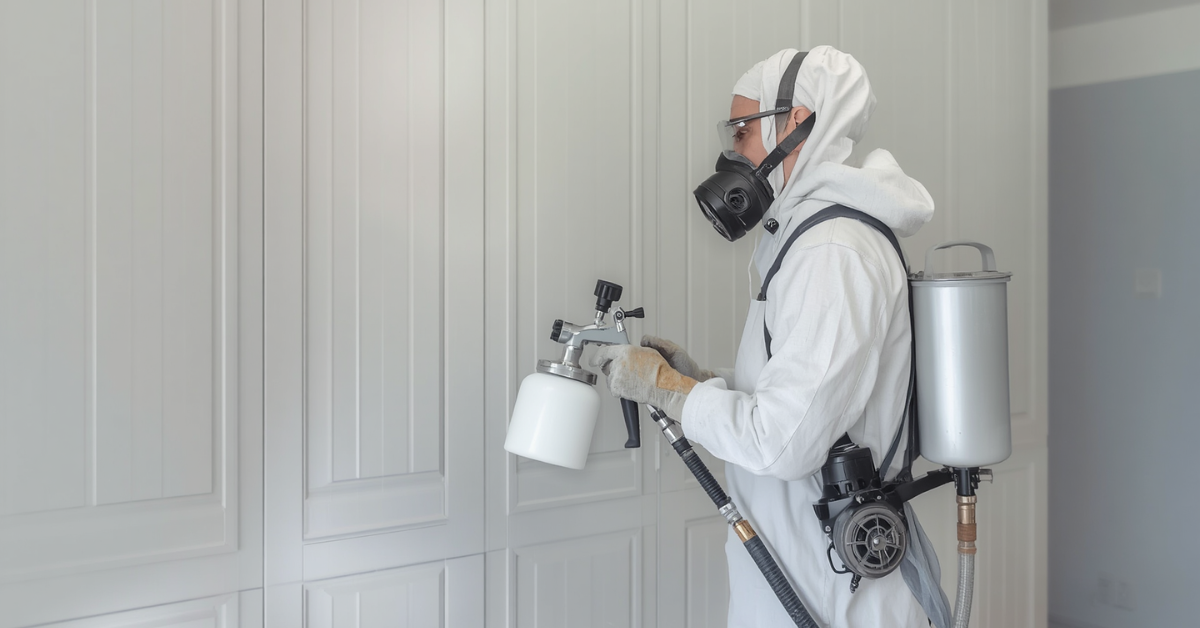

If you have asked a painter about a particularly hard-wearing finish and they mentioned two pack paint, you might be wondering what the term actually means and whether it is relevant to your job. Two pack is a specialist product — not something most residential homeowners in the Shoalhaven need, but understanding it helps you make an informed decision if a painter recommends it.
What Is Two Pack Paint?
Two pack (also written as 2-pack or 2K) paint is an epoxy or polyurethane coating that requires mixing two components — a resin and a hardener — immediately before application. Once mixed, a chemical reaction begins, and the coating cures through that reaction rather than simply drying as standard paints do. The result is a film that is significantly harder, more chemical-resistant, and more durable than standard acrylic or enamel paint. Sources: Wattyl Technical Data
Where Is It Used?
- Kitchen cabinet and joinery repaints — the most common residential application; two pack gives kitchen doors a factory-like hardness that standard enamel cannot match
- High-wear commercial surfaces — hospitality fitouts, medical facility walls, industrial floors
- Vehicle and machinery finishes — the automotive industry relies heavily on two pack coatings
- Garage floors and concrete surfaces — two pack epoxy coatings are standard for durable floor finishes
Why Is It Not Used Everywhere?
Two pack paints are more expensive than standard products. They require specialist application equipment, specific mixing ratios, careful PPE including a respirator — the isocyanate hardeners in polyurethane two packs are a respiratory hazard — and precise temperature and humidity conditions during application. The fumes are significantly more hazardous than standard paint, which is why two pack application should only be undertaken by licensed professional painters with appropriate safety equipment. Sources: Safe Work Australia
How It Compares to Premium Acrylic Enamel
Premium water-based enamel products like Dulux Aquanamel or Haymes Satin Doors and Trims provide hardness and cleanability that is entirely adequate for most residential applications at a fraction of the two pack cost and without the specialist application requirements. The practical performance difference becomes relevant when the surface is subject to more demanding use — commercial kitchen cabinet doors opened hundreds of times per day, or high-traffic retail shelving that gets knocked and scraped repeatedly. For a home kitchen repaint in Berry or the Shoalhaven, a premium water-based enamel will perform very well.
Questions to Ask If Two Pack Is Recommended
- What specific surfaces need two pack and which can be done with premium enamel?
- Is this an airless spray application or a brush and roller finish?
- What ventilation arrangements are you making for the space?
- What PPE will you be wearing during application?
Two Pack vs Solvent Enamel vs Water-Based Enamel
| Finish | How it hardens | Hardness | Smell and safety | Typical use |
|---|---|---|---|---|
| Two pack (epoxy or polyurethane) | Chemical reaction between resin and hardener | Very hard, chemical resistant | Strong fumes; spraying 2-pack polyurethane needs controlled conditions and supplied-air respirators | Kitchen and joinery resprays, floors, commercial surfaces |
| Solvent-based (oil) enamel | Solvent evaporates and the film oxidises | Hard and glossy, can yellow indoors over time | Strong solvent smell, slow to dry | Older trims, metal, some exterior timber |
| Water-based acrylic enamel | Water evaporates | Hard enough for most doors, trims and cabinets; stays white | Low odour, quick to recoat | Doors, trims and cabinets in most homes |
Repainting a Two Pack Kitchen
Many kitchens built from the 1990s onwards have two pack doors, and plenty of homes around Berry and the nearby villages still have them. When they chip or look dated, there are three realistic options:
- Respray in two pack. Doors and panels are removed and sprayed off-site in a booth by a specialist. This gives the hardest, smoothest finish and costs the most.
- Paint over with a bonding primer and water-based enamel. Done on site, cheaper, and a good result if the prep is right, though the finish is softer than a factory two pack.
- Replace the doors. Worth pricing if the carcasses are in good shape but the doors are damaged or swollen.
If you paint over existing two pack, adhesion is everything. The surface must be degreased thoroughly, sanded to remove the gloss and primed with a product made for hard, glossy surfaces. Skipping any of those steps is why painted kitchens start peeling around the handles within months.
Does the Coastal Climate Matter?
Two pack coatings are sensitive to temperature and humidity while they cure. Humid summer days near the coast, and cold, damp mornings in Kangaroo Valley or under the escarpment, can slow curing or spoil the surface of a floor epoxy. Each product's technical data sheet lists the temperature and humidity range it needs, and a good applicator plans around it.
Garage and shed floors on rural blocks around Berry need extra care. Epoxy laid over concrete that still holds moisture will lift. A simple check is to tape a square of plastic sheet to the slab overnight: if there is condensation underneath in the morning, the slab is too damp to coat.
Frequently Asked Questions
Is two pack the same as epoxy?
Epoxy is one type of two pack. The other main type is two pack polyurethane. Epoxies are common for floors and primers, while polyurethanes are used for glossy, UV-stable topcoats such as kitchen doors and vehicles. Epoxies tend to chalk and yellow in sunlight, so outdoors they are usually topcoated.
How long does two pack take to cure?
Most two pack products are touch dry within hours but take several days to reach full hardness. Follow the product's data sheet, and go easy on newly coated floors and cabinets for the first week.
Can I apply two pack myself?
Consumer epoxy floor kits are designed for DIY use with good ventilation and the protective equipment listed on the label. Spraying two pack polyurethane is a different matter: the isocyanate hardeners can cause asthma and sensitisation, and Safe Work Australia guidance calls for controlled spraying conditions and supplied-air respiratory protection. Leave that to a specialist spray finisher.
Is two pack worth it for a home kitchen?
For most family kitchens, a premium water-based enamel over the right primer does the job well. Two pack is worth it if you want a factory-smooth, very hard finish or the joinery gets heavy use.
Final Thoughts
Two pack paint is a specialist tool for situations where durability requirements exceed what standard products can deliver. For most residential painting in regional NSW, it is not necessary — but for kitchen joinery and high-wear commercial surfaces, it is worth the additional cost.
Our house painters team can advise whether two pack or a quality acrylic enamel better suits your specific surfaces. See also our guide on common painting problems in older NSW homes.