
Call : 0485800108 Email: contact@BerryBrush.com.au

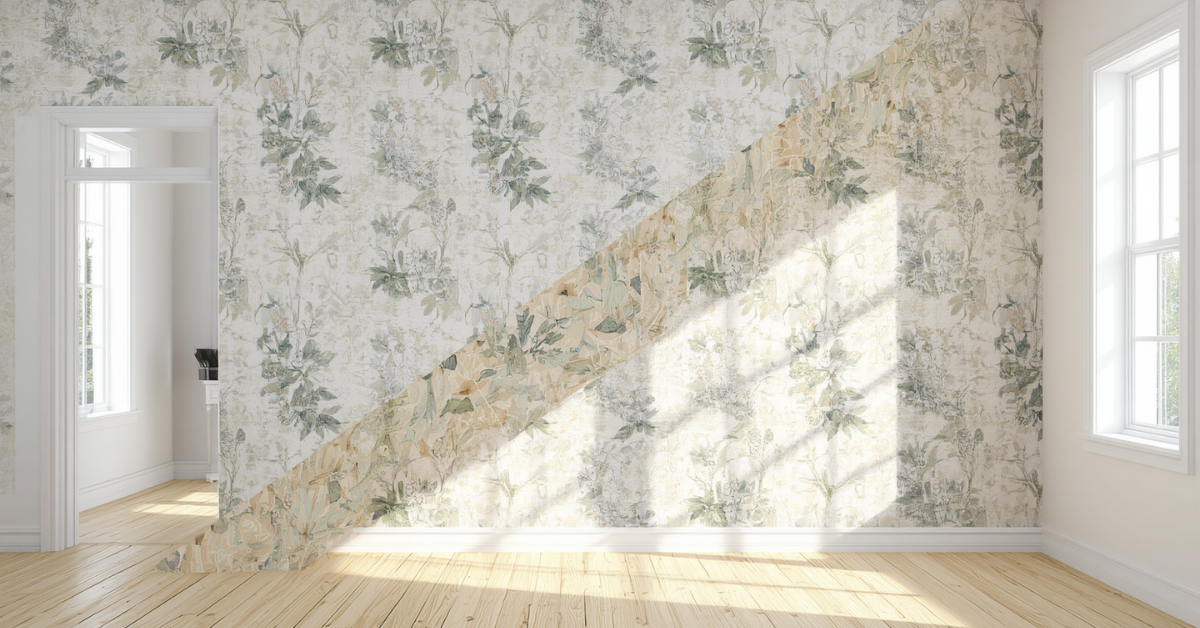

Wallpaper removal is a time-consuming, sometimes messy job. The temptation to simply paint over existing wallpaper rather than remove it is understandable. But painting over wallpaper comes with real risks that often lead to a worse outcome than either removing the paper or leaving it as-is.
When Painting Over Wallpaper Can Work
- The wallpaper is firmly adhered with no peeling edges, bubbling sections, or loose seams
- It is a single layer rather than multiple layers of old paper stacked on each other
- The home is not for sale — buyers and building inspectors routinely identify painted-over wallpaper during inspections
Even in the best case, seams will likely be visible through the paint, especially in raking light, and any future buyer will need to deal with both the paint and the paper layers underneath.
The Risks You Need to Know
Water-Based Paint and Adhesion
Water-based paints can reactivate the wallpaper adhesive, causing the paper to bubble, lift, and separate from the wall during application. This is particularly common with older paste-based adhesives found in many Shoalhaven homes built before the 1990s. Using an oil-based primer first creates a barrier between the water in the topcoat and the adhesive — this significantly reduces the bubbling risk.
Seams and Texture
Wallpaper seams almost always show through paint, especially on smooth walls. Filling and feathering the seams before painting reduces but does not eliminate visibility. In a room with natural light from the side, seams will often be obvious regardless.
[ Screenshot: Visible wallpaper seams through paint — honest comparison for homeowners ]
Preparing Wallpaper for Painting If You Decide to Proceed
If painting over the wallpaper is the right approach for your specific case, the best sequence is: first re-glue any lifting edges using seam repair adhesive and allow to dry fully; second apply a skim coat of drywall compound over all visible seams and sand smooth once dry; third prime the whole surface with an oil-based primer before applying any water-based topcoat.
Why Real Estate Professionals Recommend Against It
Painted-over wallpaper is one of the items that building inspectors and buyers’ agents specifically look for in NSW property assessments. It is noted as a future remediation cost — because removing wallpaper through multiple layers of paint is significantly more labour-intensive than removing unwanted wallpaper directly. For homeowners preparing to sell, painting over wallpaper is therefore a particularly poor investment of time and money.
Cost Comparison: Paint Over vs Remove and Paint
Removing a single layer of wallpaper from a standard bedroom, applying a skim coat where needed, priming, and painting typically adds two to three hours of labour compared to painting over the wallpaper. At a professional trade rate of $50 to $80 per hour, that is $100 to $240 additional cost for a significantly better outcome that does not come with the risks and limitations of the painted-wallpaper approach.
The Better Approach in Most Cases
For most residential situations in the Berry and Shoalhaven area, removing the wallpaper before painting produces the better result. Modern steamers and chemical strippers make removal significantly less labour-intensive than it used to be. The result is a clean, smooth substrate that will hold paint better and look better under any lighting condition.
Final Thoughts
Painting over wallpaper can work in limited circumstances, but removal and preparation almost always produces a better and more durable result.
Our house painters team can advise on the best approach for your specific walls and wallpaper type. For older NSW homes with plaster walls, our guide on common painting problems in older NSW homes covers related prep challenges.