
Call : 0485800108 Email: contact@BerryBrush.com.au

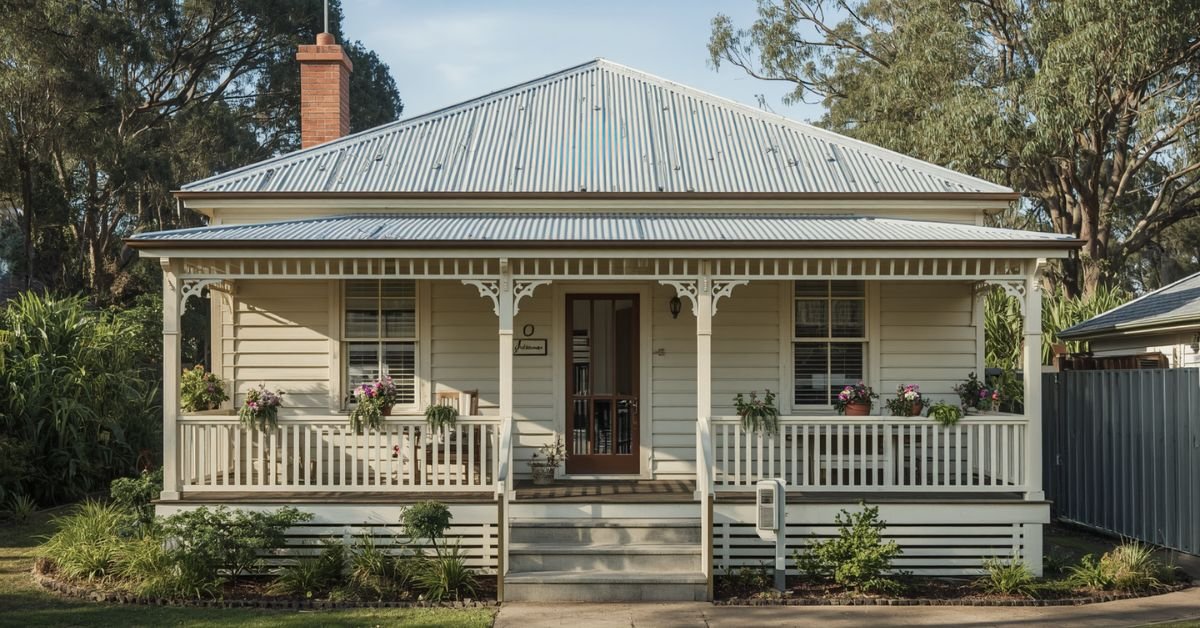

Weatherboard homes are one of the most loved building styles across regional NSW — and the Shoalhaven has plenty of them. From classic Berry streetscapes to rural properties throughout the hinterland, these homes have a character and warmth that’s hard to beat.
But weatherboard is also one of the most demanding surfaces to paint properly. Get the preparation right, and the result looks incredible and lasts. Skip it, and you’ll be dealing with peeling, cracking, and failing paint within a few years.
Here’s exactly what proper weatherboard preparation involves — and why every step matters.
Why Weatherboard Needs More Prep Than Other Surfaces
Timber is a living material. Even after it’s been milled, treated, and installed, it continues to expand and contract with moisture and temperature changes. In the South Coast environment — with significant rainfall, humidity swings, and summer UV — this movement is significant.
A paint system on weatherboard needs to:
- Flex with that timber movement without cracking
- Seal out moisture without trapping it
- Bond firmly to the timber surface through multiple seasons of movement
That takes the right primer, the right topcoat, and — most importantly — thorough preparation.
Step 1: Assess the Current Condition
Before anything else, walk around the home and assess what you’re dealing with:
- Is the existing paint flaking or peeling? How extensively?
- Are there bare patches of timber visible?
- Is there grey or silvery timber (UV-exposed bare wood)?
- Any cracking or splitting in the boards themselves?
- Rot or soft spots in any boards or window surrounds?
- Gaps at joins — between boards, around window and door frames?
This assessment tells you how much work is ahead. Minor flaking and a few bare patches is one thing. Extensive peeling, multiple failing layers, and exposed timber is another — and needs a more thorough approach.
Step 2: Pressure Washing
The whole exterior needs a high-pressure wash before any other prep begins. This removes:
- Dirt and grime (obvious, but important)
- Salt deposits — critical in coastal areas like Berry and the Shoalhaven Coast
- Mould, mildew, and biological growth
- Loose and flaking paint — high pressure will lift anything that’s not well-adhered
Important: Use an appropriate PSI setting for timber. Too much pressure can raise the grain of the wood and damage the surface. A good pressure wash on weatherboard uses enough force to clean, not enough to damage.
After washing, the surface needs to dry completely before prep continues. On the South Coast, this may take 2–3 dry days depending on the season.
Step 3: Scraping and Sanding
Once dry, any remaining loose or flaking paint needs to come off. Hand scrapers, paint scrapers, and detail tools for edges and mouldings.
After scraping, sanding does two things:
- Feathers the edges of scraped areas so there’s no sharp step between bare timber and existing paint
- Scuffs the existing paint surface to improve adhesion of the new primer
On older homes with heavy paint buildup, a heat gun may be used to soften multiple thick layers for easier removal. This is skilled work — too much heat on timber can scorch it or cause problems if there are older lead paint layers present.
Step 4: Treat Knots and Resinous Areas
Timber knots bleed resin and tannins through paint — even through primer coats. On any bare or exposed knots:
- Apply knotting solution (shellac-based) directly to the knot
- Allow to dry fully
- This seals the knot and prevents bleed-through into the topcoat
Don’t skip this. Knotting solution is cheap. Staining through a fresh topcoat is not.
Step 5: Fill Gaps, Cracks, and Holes
Now the surface is clean and prepped, fill any:
- Cracks or splits in the boards
- Nail holes from old fixings
- Gaps at board joins and around window and door frames
- Missing or failed caulk at any junction points
Use the right filler for exterior timber. Standard interior fillers are rigid and don’t cope with timber movement — they’ll crack back open within a season. You need a flexible exterior filler or paintable exterior caulk that can move with the timber.
For gaps around window frames, use a good quality exterior-grade flexible sealant. These gaps are where water gets in, so sealing them properly is critical.
Step 6: Prime — This Step Is Non-Negotiable
On weatherboard and timber exteriors, priming is the single most important step for a long-lasting result.
The right primer for weatherboard:
- Penetrating oil-based primer (traditional approach) — excellent penetration into timber, seals and stabilises the surface
- Quality water-based acrylic primer — good adhesion, easier clean-up, lower VOC
- Stain-blocking primer on any areas with tannin bleed risk
All bare timber must be primed. Any repaired areas must be primed. In most cases, the entire exterior should receive a primer coat — particularly if the existing paint is aged or the surface has been significantly worked.
Allow the primer to cure fully before topcoating. Check the product’s recoat time — don’t rush this.
Step 7: Topcoat — Two Full Coats
On properly primed weatherboard, two full coats of a quality exterior acrylic or exterior enamel product should go on.
For South Coast conditions, look for:
- High UV resistance rating
- Flexible film — especially important for timber
- Mould and mildew resistance
- Quality Australian brands — Dulux Weathershield, Taubmans Endure Exterior, or Haymes Supacryl perform well in coastal and humid conditions
Apply in appropriate weather — not in direct hot sun, not in cold or damp conditions. Timber painted in extreme heat can skin over on the surface while the layer underneath stays wet, leading to cracking.
How Long Does Weatherboard Preparation Take?
For a standard single-storey weatherboard home in reasonable condition:
- Washing and drying: 1–2 days
- Scraping, sanding, filling: 2–4 days
- Priming and topcoats: 2–3 days
- Total: Approximately 1–2 weeks
Older homes with more extensive paint buildup or damage may take longer. A home that needs boards replaced, extensive stripping, or rot repairs will take longer still.
Getting Your Weatherboard Home Painted Properly
If you’ve got a weatherboard home in Berry, the Shoalhaven, or anywhere on the South Coast and you want it done right — prep is where the result is won or lost.
At Berry Brush, we take prep seriously on every job. We know timber homes in this region, we know what the conditions demand, and we use products that hold up.