
Call : 0485800108 Email: contact@BerryBrush.com.au

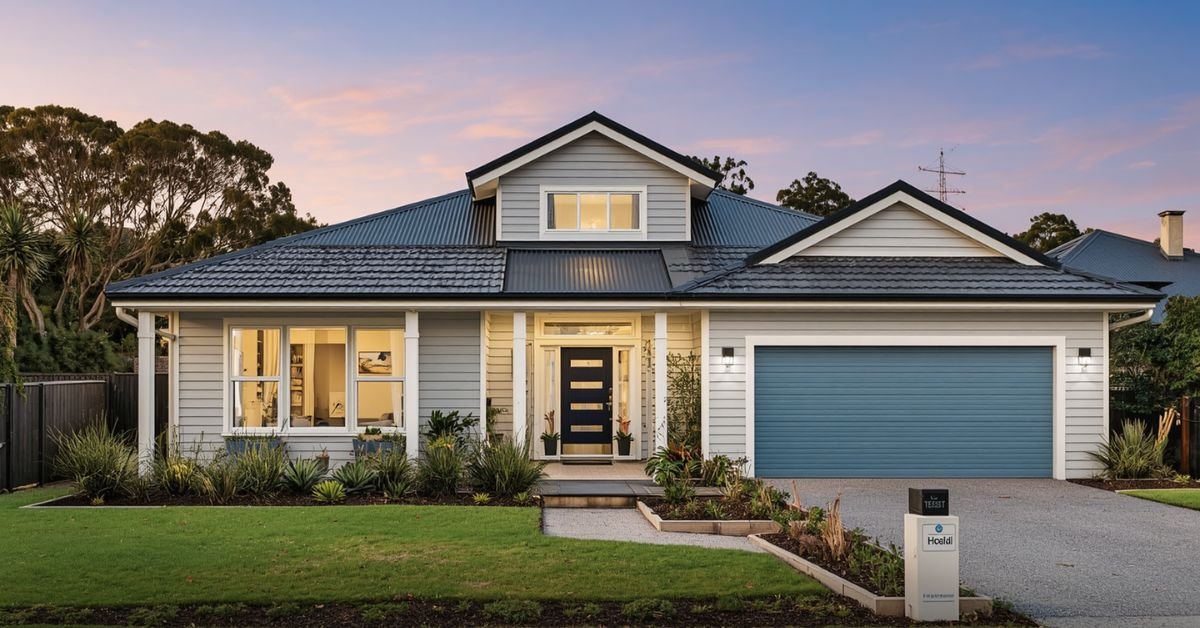

Living on the South Coast of NSW has its perks — the scenery, the lifestyle, the pace. But it’s genuinely hard on a home’s exterior. If you’ve noticed your paint fading, chalking, or peeling faster than you’d expect, it’s not bad luck. It’s the environment.
Here’s what’s actually happening to your paint, and what you can do about it.
The South Coast Is Tougher on Paint Than Most Realise
Berry, Nowra, Kiama, Jervis Bay — the whole Shoalhaven coastline and hinterland creates a combination of conditions that few paint systems are designed to handle without the right product and preparation.
Salt Air and Coastal Spray
Properties within a few kilometres of the ocean deal with airborne salt. Salt deposits on surfaces are hygroscopic — they attract moisture and hold it against the paint film. Over time, this causes blistering, adhesion failure, and early peeling.
This is why a house in Berry that’s 10 kilometres from the coast might outlast a beachside property by three or four years — even if both were painted with the same product. The closer to the water, the more salt-related wear you’ll see.
UV Radiation
The South Coast receives intense UV, particularly in summer. UV is the primary driver of paint chalking and colour fade — it breaks down the organic binders in the paint film, leaving a dusty powder on the surface and progressively destroying the coating from the outside in.
North and west-facing walls cop the most sun and almost always show fading and chalking first.
Humidity and Moisture Cycles
The Shoalhaven sits between the coast and the Escarpment, which means rainfall is significant and humidity can stay high for extended periods — especially during east coast lows and after heavy rain events.
Moisture cycles — wet periods followed by rapid drying — cause paint films to expand and contract repeatedly. On older homes with multiple existing paint layers, this leads to cracking, flaking, and delamination.
Tree Cover and Biological Growth
Older properties in Berry and the surrounding areas tend to have mature trees and gardens. While beautiful, tree cover means:
- Reduced drying after rain — south and east-facing walls under trees stay damp longer
- Organic debris accumulating on surfaces
- Mould, mildew, lichen, and algae establishing themselves faster on paint that stays moist
Biological growth isn’t just cosmetic. Lichen and algae physically etch into paint films over time, breaking down the surface and accelerating deterioration.
How Often Should a South Coast Home Be Repainted?
Given these conditions, here’s a realistic repaint cycle for properties in the Shoalhaven and Berry area:
| Surface | Typical Cycle |
|---|---|
| Exterior walls (rendered) | 6–9 years |
| Exterior walls (weatherboard/timber) | 5–7 years |
| Fascias, eaves, and bargeboards | 5–7 years |
| Coastal properties (within 2km of ocean) | 4–6 years |
| Inland rural properties | 8–10 years |
These are realistic figures using quality products and proper prep. Cheap paint, inadequate prep, or skipping the primer will cut these cycles significantly.
What Paint Products Actually Hold Up on the South Coast?
Not all exterior paints are equal. For South Coast NSW conditions, the key specs to look for are:
- High UV resistance — rated products from Dulux, Haymes, or Taubmans premium exterior ranges
- Elastomeric or flexible formulas — these flex with timber movement and temperature cycles without cracking
- Anti-fungal additives — inhibit mould, mildew, and algae growth
- Salt-tolerant formulation — some products are specifically rated for coastal environments
For weatherboard and timber exteriors — common across the Shoalhaven — an oil-based primer or a quality acrylic primer sealer is typically the right base coat before the topcoat goes on. Getting the primer wrong is one of the most common causes of early failure in coastal conditions.
Common Signs the South Coast Climate Is Winning
If you’re seeing any of these on your home, it’s worth getting a proper assessment:
Chalking — powdery residue when you run your hand across the wall. UV damage to the paint binder. The surface needs washing, prepping, and repainting.
Efflorescence — white powdery staining on rendered or masonry walls. Salts migrating through the wall. The source needs addressing before repainting.
Black or green staining — mould, algae, or lichen. Needs chemical treatment before any paint goes on, or it’ll come straight back through the new coat.
Timber going grey or silvery — bare, unprotected timber. UV has stripped the surface and the wood itself is now exposed to moisture. Act quickly — prolonged bare timber exposure leads to rot.
Paint peeling at joins and edges — typically a moisture or adhesion problem. Common around windows, doors, and fascia joins.
What Proper Prep Looks Like for a South Coast Home
Because the conditions here are demanding, preparation matters more than anywhere. At Berry Brush, a proper exterior job includes:
- High-pressure wash — removes salt deposits, dirt, mould, and chalking residue
- Biological treatment — kills mould, algae, and lichen down to the spore level
- Scraping and sanding — removes loose and flaking paint, feathers edges
- Filling and repairs — cracks, gaps at joins, exposed timber knots
- Priming — appropriate primer for the surface type
- Two full topcoats — quality exterior product rated for coastal and UV conditions
Skipping any of these steps in a South Coast environment is a shortcut that shows up fast.
How Berry Brush Approaches Coastal Exterior Painting
We’ve been painting homes in Berry and across the Shoalhaven for years. We know what holds up out here and what doesn’t. We see the same failure patterns on homes that were painted with cheap product, skipped prep, or had the wrong primer put on timber — and we know how to fix them properly.
If your home is showing signs of wear, or you’re coming up on your repaint cycle, we’re happy to take a look and give you a straight assessment.